

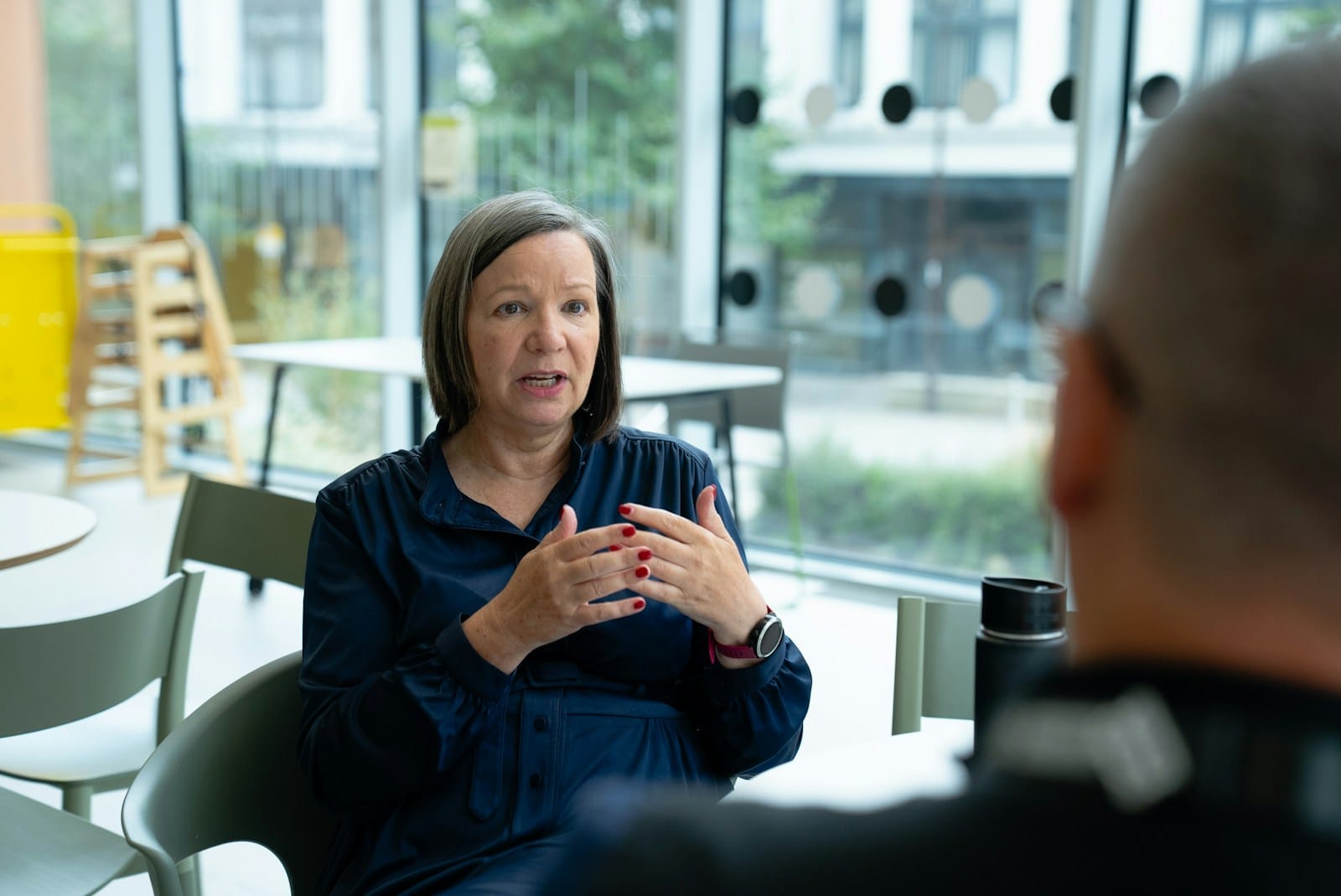
20 Nov Do Matchmakers Work? What They Can Control and What No One Can
Search for whether matchmakers work and most of the numbers you find come from companies that sell matchmaking. We looked for an independent study comparing professional matchmaking with dating apps, or with meeting through friends, and could not find one. So be skeptical of any percentage you are quoted.
That does not mean the question has no answer. It means it is really two questions. Some parts of finding a partner can be managed well by a careful professional. One part cannot be managed by anyone. Once you separate the two, it becomes much easier to judge whether a matchmaker would work for you.
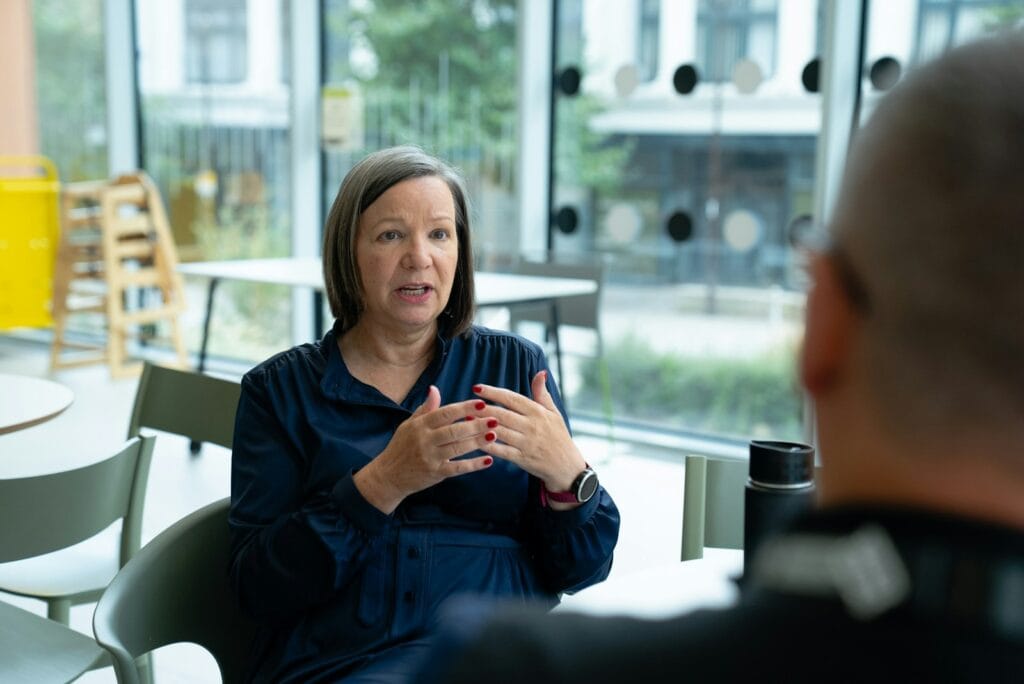
Do matchmakers work? The short answer
A good matchmaker can reliably do one thing that is hard to do alone: put you across a table from someone who has been screened, who wants a relationship, and who was chosen for you by a person who has talked to you both. A matchmaker cannot make the two of you feel anything. No one can, and the research below suggests no one can predict it in advance either.
So matchmakers work in the way a good real estate agent works. They narrow the field, steer you away from the worst options, and put real candidates in front of you. They do not decide whether you fall in love with the house.
Whether that is enough depends on how much trouble the first part is giving you. For many people it is most of the trouble. In a Pew Research Center survey published in 2020, 47% of U.S. adults said dating had become harder over the previous ten years.
What a matchmaker does, step by step
Services differ, but a careful process has four stages.
- An intake conversation. A one-on-one talk about your history, your daily life, what you want next and what has not worked. It should feel like being listened to, not like filling in a form.
- Screening and selection. The matchmaker weighs people they have also spoken with and decides who is worth your evening. This is the judgment you are relying on.
- The introduction. You meet one person, face to face, already knowing a little about them and why they were suggested.
- Feedback. Afterward you tell the matchmaker what you thought, candidly. That feedback changes who you meet next.
It moves at the pace of introductions, not swipes. Think in months, not days. Anyone who promises speed is promising something they do not control.
What no one can control: chemistry
The clearest evidence comes from inside matchmaking itself. A 2025 study in the journal Psychology International followed 1,704 people in the Netherlands who were looking for a partner through a matchmaking agency. Their average age was 62.5. The researchers tested whether the five major personality traits predicted who was in a relationship three months after being introduced. None of them did.
Speed-dating research points the same way. In a 2017 study in Psychological Science, researchers applied machine learning to questionnaires people completed before they met. The models could predict a little about who tends to like others and who tends to be liked. They could not predict whether two particular people would want each other. Earlier work from the same group found that the qualities people say they want did not predict who they were drawn to in person, and a major review of online dating found little evidence that matching algorithms can identify good pairings in advance.
The practical lesson is simple. Be wary of anyone, human or software, who claims to predict your spark. What a professional can honestly offer is a better set of first meetings and a way to learn from each one.
What a matchmaker can control
| Part of the search | What a careful matchmaker does | What to ask |
|---|---|---|
| Intent | Talks with every person before introducing them, and turns away people who are not looking for a relationship | Do you meet or speak with everyone you introduce? |
| Screening | Checks the basics a profile cannot show. The Michigan Attorney General’s consumer alert notes that most dating services do not run criminal background checks on members | Exactly what do you verify, and how? |
| The pool | Is honest about who they can introduce you to at your age, in your area, with your preferences | Who would you realistically introduce me to first? |
| Pacing | Offers one considered introduction at a time. In a 2020 study that simulated online dating, single adults became more likely to reject each new profile the more profiles they viewed | How many people will I be considering at once? |
| Feedback | Asks both people how the meeting went and adjusts the next choice | What happens after each introduction? |
| Privacy | Keeps your details out of public view | Who can see my information, and when? |

Who it tends to work for in a city Portland’s size, and who it does not
Portland is not New York. In any one age band the number of relationship-minded singles is finite, and that shapes who matchmaking suits.
It tends to suit you if:
- You are ready, not just curious. An introduction takes effort from two people.
- You can tell a preference from a need. In a mid-sized metro, a fixed rule about height, a narrow age range or a refusal to date across the river shrinks the pool quickly. Someone in Lake Oswego who will also meet people in Vancouver or Hillsboro has more options than someone who will not.
- You want privacy. If you are returning to dating after a divorce or the death of a spouse, a private conversation can be easier than a public profile your coworkers and neighbors might see.
- You will give honest feedback, including about what you got wrong the first time.
It tends to frustrate you if:
- You want volume. One introduction at a time feels slow if you enjoy browsing.
- You want it fast. Nobody can schedule the right person.
- You are not ready yet. That is common, and it is not something to fix. Pew’s profile of single Americans found that half of single adults were not looking for a relationship or dates, and the share was higher among divorced (56%) and widowed (74%) singles. A responsible matchmaker will tell you to wait.
Are matchmakers worth it? Questions to ask before you sign
Worth it is personal. It depends on what the search has already cost you in time and energy. What you can do is make sure you know exactly what you are agreeing to. Ask these questions of any service:
- What is promised in writing, and what is only said out loud?
- How do you define an introduction or a match?
- Who decides that someone is right for me, and have they spoken with that person?
- What happens to my information if I stop?
- How do I pause or cancel?
Two pieces of advice from the Michigan Attorney General’s alert on dating services apply anywhere. Say no to now-or-never sales pressure, and read the whole contract, fine print included, before you sign. A reputable service will give you time. If something does go wrong with a dating service in Oregon, the Oregon Department of Justice takes consumer complaints.
The honest options in Portland
A matchmaker is one route among several, and the others are real.
- Dating apps give you the widest reach and the least screening. They suit people with the time and patience for sorting.
- Speed dating and singles events give you one evening of short conversations within an age band. They suit people who are sociable and curious.
- Friends and family are still a common route. In the same Pew survey, 32% of partnered adults said they met their partner that way. It works when the people you know also know single people your age.
Portland Singles is the fourth kind: a private matchmaking service for relationship-minded singles in Portland, with more than 25 years of matchmaking experience. The process starts with a one-on-one intake conversation. Introductions are hand-screened and reviewed by a matchmaker, you get personal guidance, and your feedback after each introduction refines the next match. Your information is handled discreetly. No matchmaker can promise chemistry.
If you want to know more, read about Portland Singles and the matchmaking FAQ, or contact the office at 1515 SW 5th Avenue, Suite 1010, Portland, OR 97201, (503) 954-2058. When you are ready to talk, Apply Now.
Frequently asked questions
Are matchmakers still a thing?
Yes. The role never went away. It changed hands. Research led by a Stanford sociologist and published in 2019 found that meeting online had overtaken meeting through friends as the most common way heterosexual couples in the United States meet. A Pew survey published in 2023 found that 30% of U.S. adults had used a dating site or app, including 20% of those aged 50 to 64 and 13% of those 65 and older. A matchmaker does professionally what a well-connected friend used to do.
What does a matchmaker do?
A matchmaker talks with you in depth, screens and selects people to introduce you to, arranges one-to-one introductions, and uses your feedback after each meeting to choose the next person. The value is in the judgment and the screening, not in a database.
What is the success rate of a matchmaker?
There is no independent industry-wide figure. Most published rates come from the companies themselves, and they do not all count success the same way. If you are quoted a rate, ask how a success is counted, over what period, and whether anyone outside the company has checked it. A careful matchmaker will describe what they do instead of leaning on a number.
Are matchmakers worth it?
They are worth it when screening and time are your real problem and you are ready to meet people one at a time. They are not worth it if you want volume, speed or a promise of chemistry. Ask what is promised in writing, and read the contract before you decide.
Do matchmakers work for people over 50?
The process does not change with age, and some of its strengths matter more: privacy, screening for intent, and not having to learn an app. The Dutch study mentioned earlier is a useful reality check. Its participants averaged 62.5 years old, and personality scores did not predict who formed a relationship. Age did not predict it either. What age may change is how much a careful introduction is worth to you.
Sorry, the comment form is closed at this time.